Most Valuable Pokémon Cards in the MonZap Catalog
Compare the highest current TCGPlayer references across 20,362 priced English card printings. Every ranking keeps the exact set, collector number, rarity, and artwork attached so reprints are not treated as the same card.
Prices last updated October 21, 2026 · Marketplace references are not guaranteed sale prices.
Highest Pokémon Card Price References
Cards are ranked by the current TCGPlayer market reference available to MonZap. The list covers raw catalog printings, not graded auction records, and it can change as marketplace data refreshes.
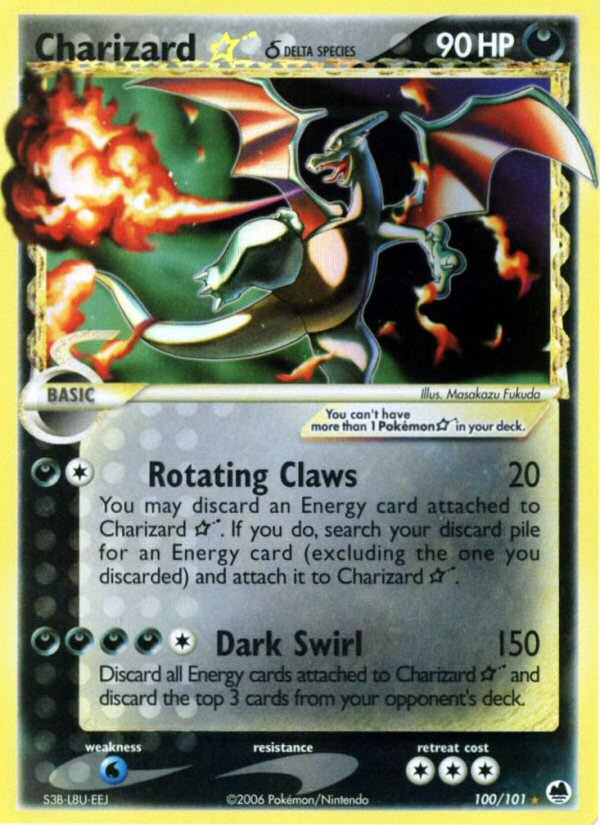
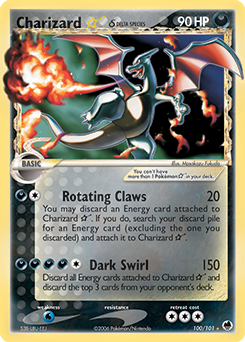
Charizard ★ δ
Dragon Frontiers · 100 / 101
- TCGPlayer
- $39,500
- Cardmarket
- Not priced
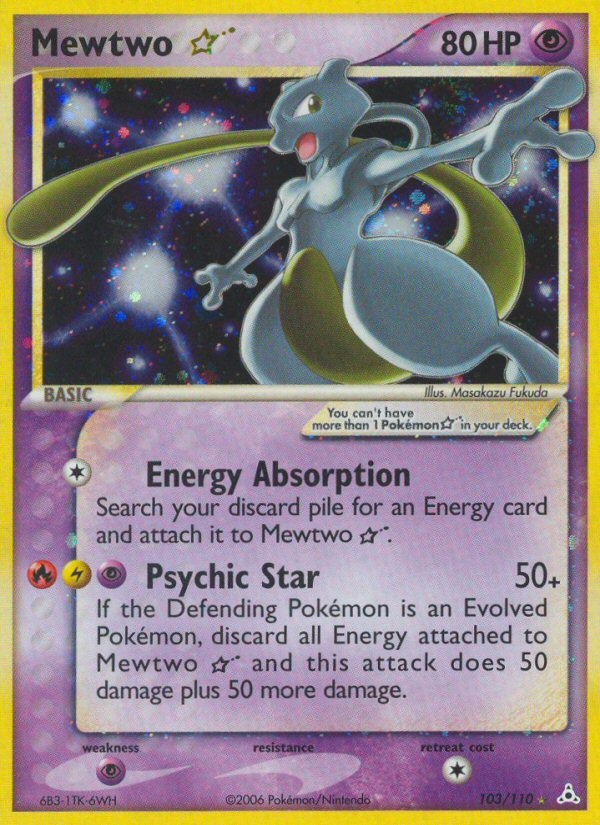
Mewtwo ★
Holon Phantoms · 103 / 110
- TCGPlayer
- $9,200
- Cardmarket
- €121
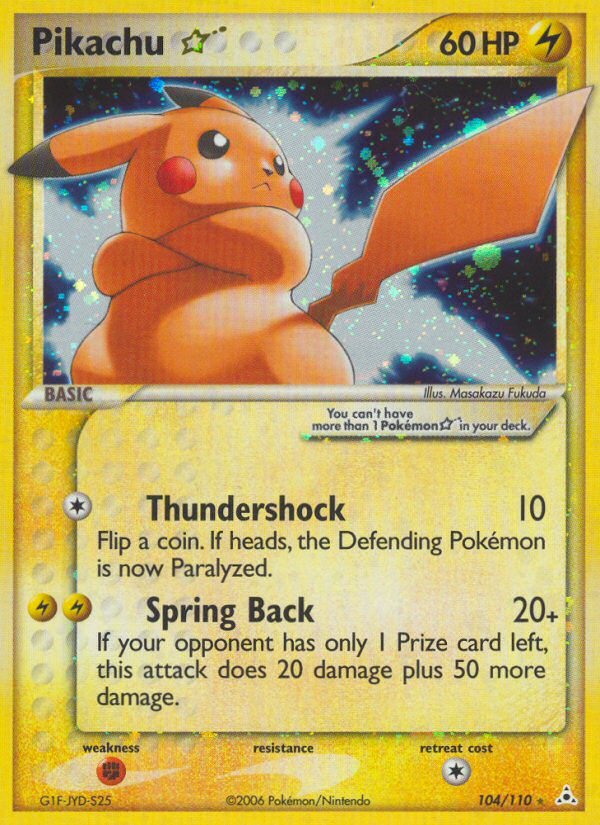
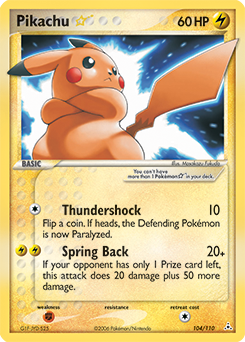
Pikachu ★
Holon Phantoms · 104 / 110
- TCGPlayer
- $6,998
- Cardmarket
- €3.02
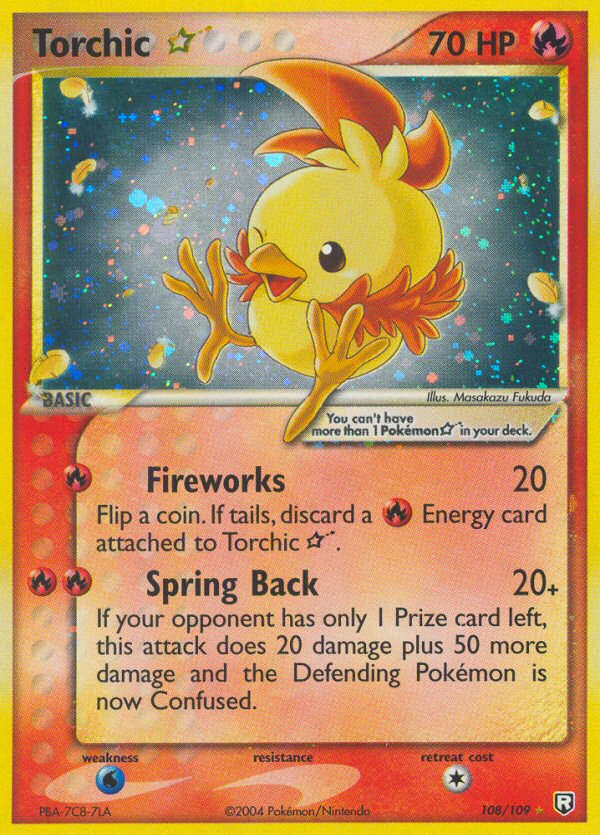
Torchic ★
Team Rocket Returns · 108 / 109
- TCGPlayer
- $6,500
- Cardmarket
- Not priced

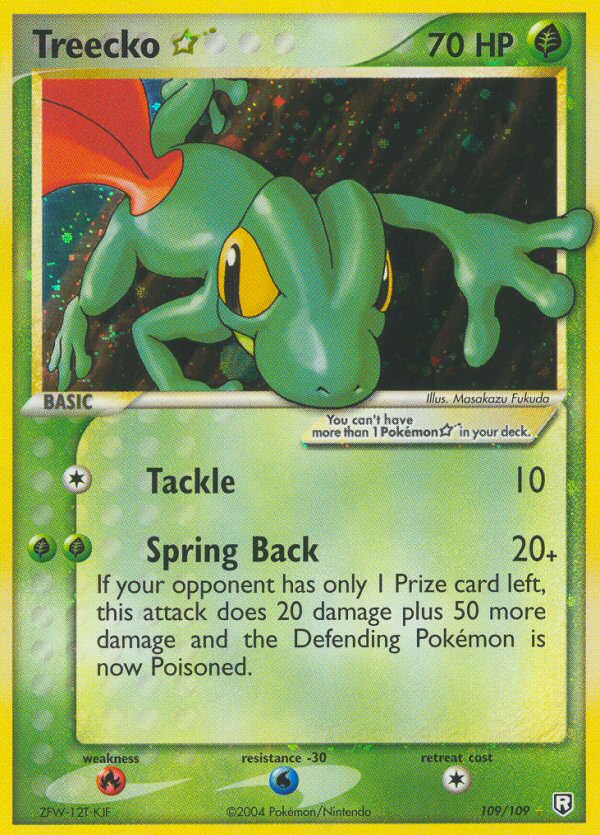
Treecko ★
Team Rocket Returns · 109 / 109
- TCGPlayer
- $4,500
- Cardmarket
- Not priced
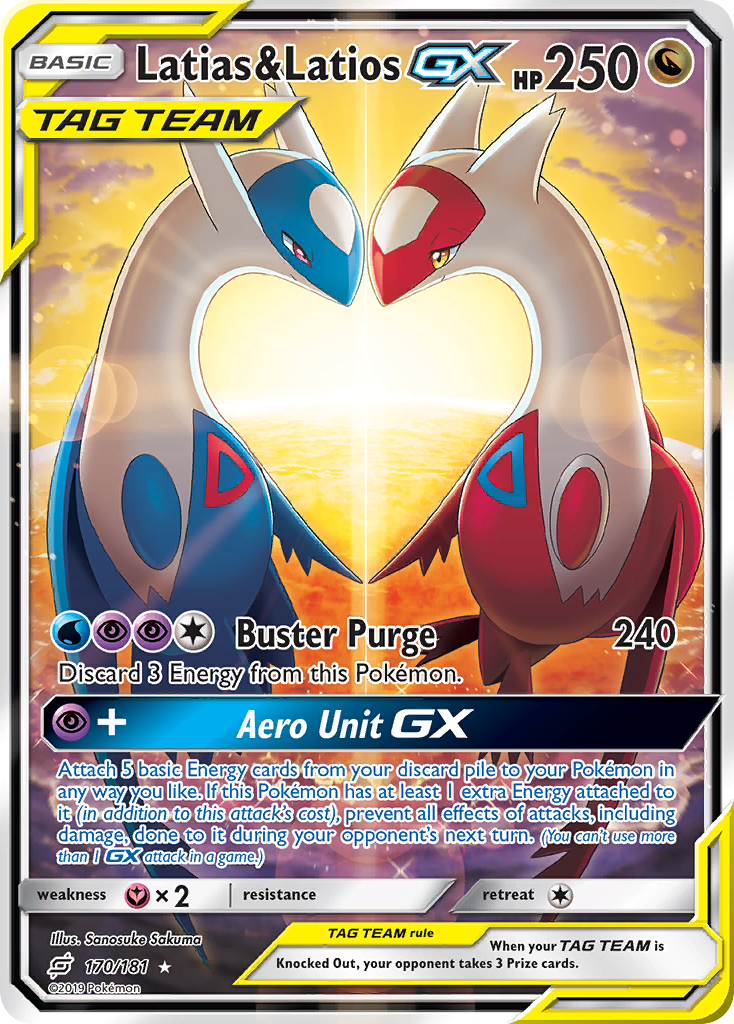
Latias & Latios-GX
Team Up · 170 / 181
- TCGPlayer
- $4,500
- Cardmarket
- €3,042
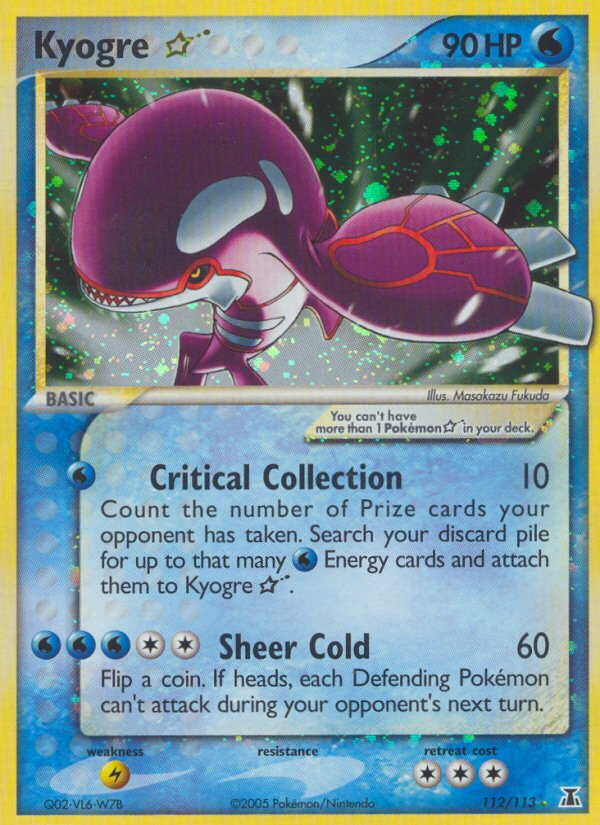
Kyogre ★
Delta Species · 112 / 113
- TCGPlayer
- $4,000
- Cardmarket
- Not priced


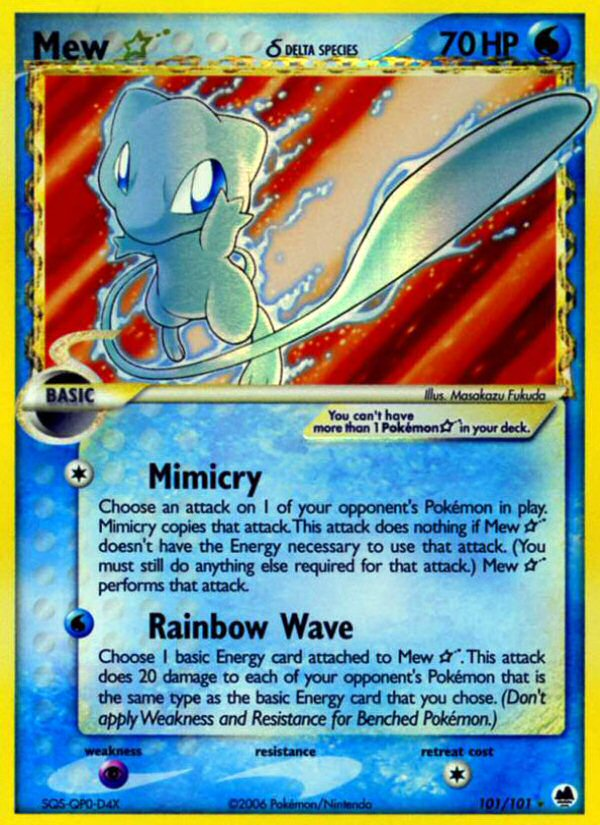
Mew ★ δ
Dragon Frontiers · 101 / 101
- TCGPlayer
- $3,500
- Cardmarket
- Not priced
What This Ranking Measures
This page ranks exact catalog printings using current TCGPlayer reference data. It is not an all-time auction list, a population report, or an estimate for a PSA, Beckett, or CGC grade. A raw marketplace reference and a graded sale answer different questions.
Start with the expansion, collector number, artwork, and finish. Then compare the physical condition and update date. Two cards with the same Pokémon name can come from different sets, and one printing can have normal, holofoil, reverse-holofoil, first-edition, or unlimited marketplace records.
Use this ranking to discover cards worth researching, then open the exact card page or complete set checklist. For a sale or grading decision, confirm against current listings and recent sold results for the same printing and condition.
Most Valuable Pikachu and Charizard Cards
The dedicated Pokémon hubs use the same exact-printing rules and add set coverage, printed-name context, and collector FAQs.
Questions About Valuable Pokémon Cards
What is the most valuable Pokémon card in this catalog?
Charizard ★ δ 100 / 101 from Dragon Frontiers currently has the highest TCGPlayer reference in this MonZap ranking at $39,500. This is a marketplace reference, not a guaranteed sale price.
How are Pokémon cards ranked?
Cards are ordered by the current TCGPlayer market reference available to MonZap for the exact catalog printing. The ranking does not combine raw and graded cards, and it can change as marketplace data changes.
How many sets are represented?
This ranking currently includes priced cards from 172 Pokémon TCG sets. Each card links to an exact card page when published or to its complete set checklist.
Why can the same card name have different values?
The set, collector number, artwork, finish, edition, condition, and grading status can all differ. Match the exact printing before comparing marketplace references or recent sales.
Scan Before You Sell or Grade
Identify the exact printing, check current reference prices, and save valuable cards to your collection with MonZap.
Download MonZap Free