

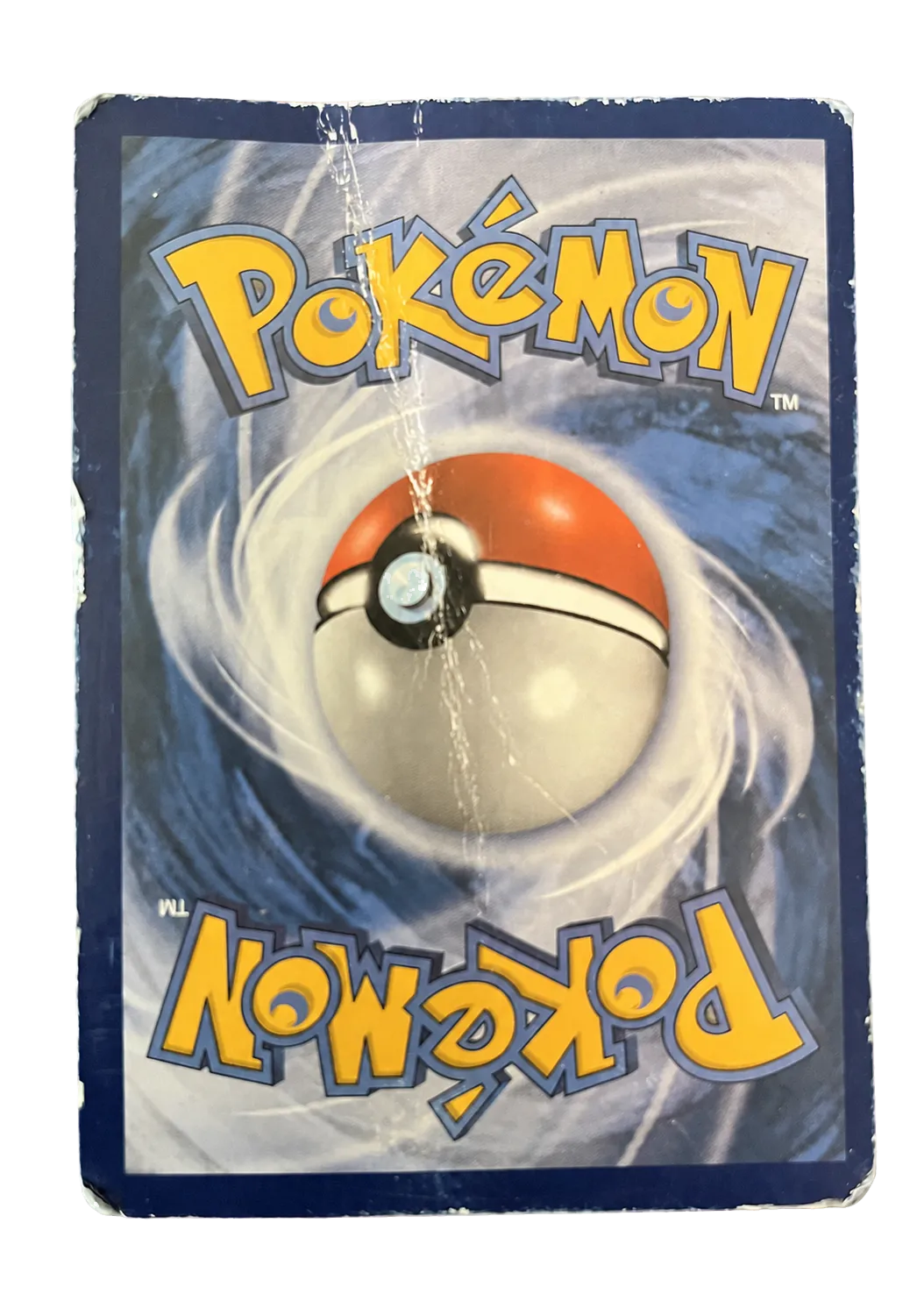
Is your Pokémon card worth grading?
Only when the likely graded value—or your need for authentication and protection—clearly justifies the fees, shipping, time, and risk of a lower grade.
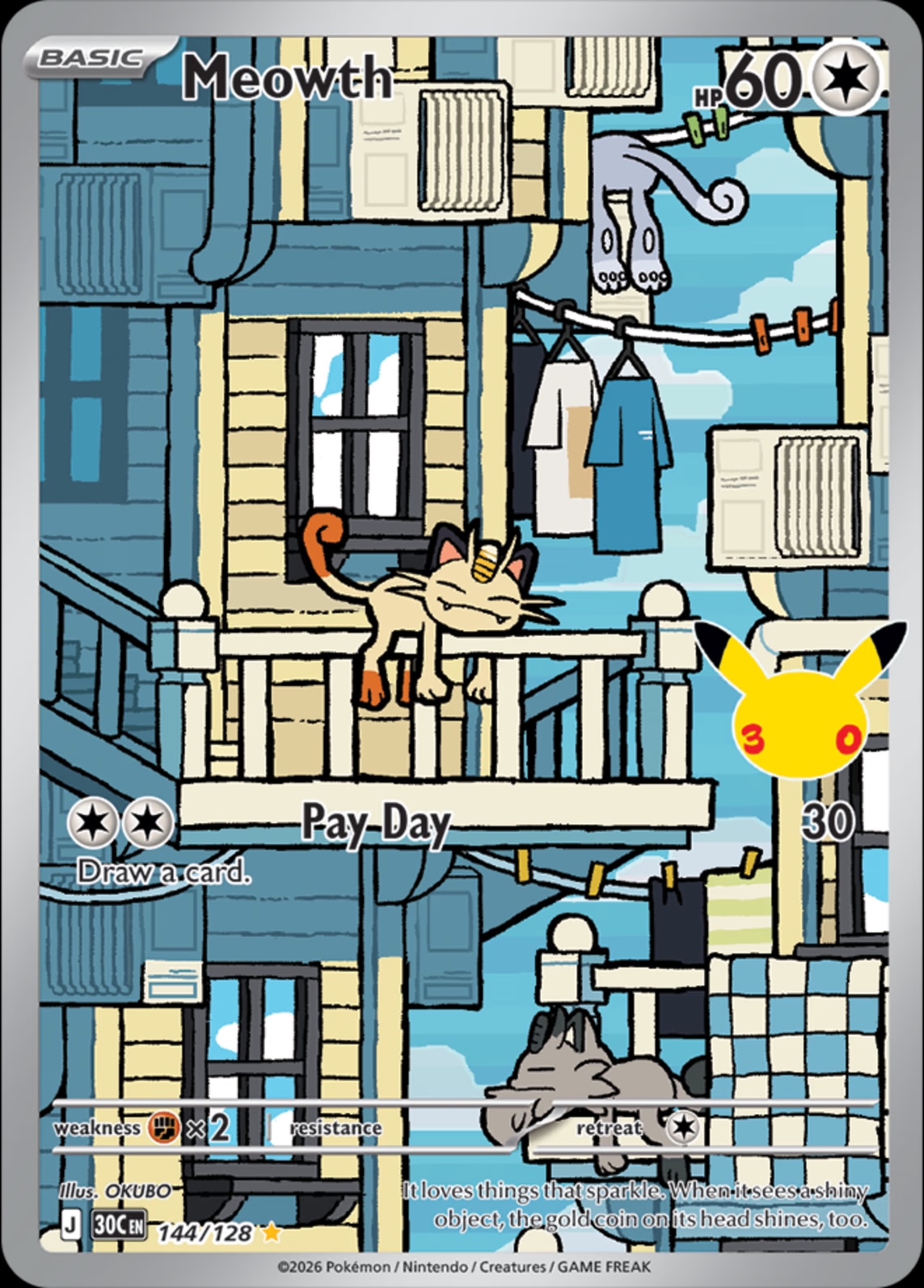
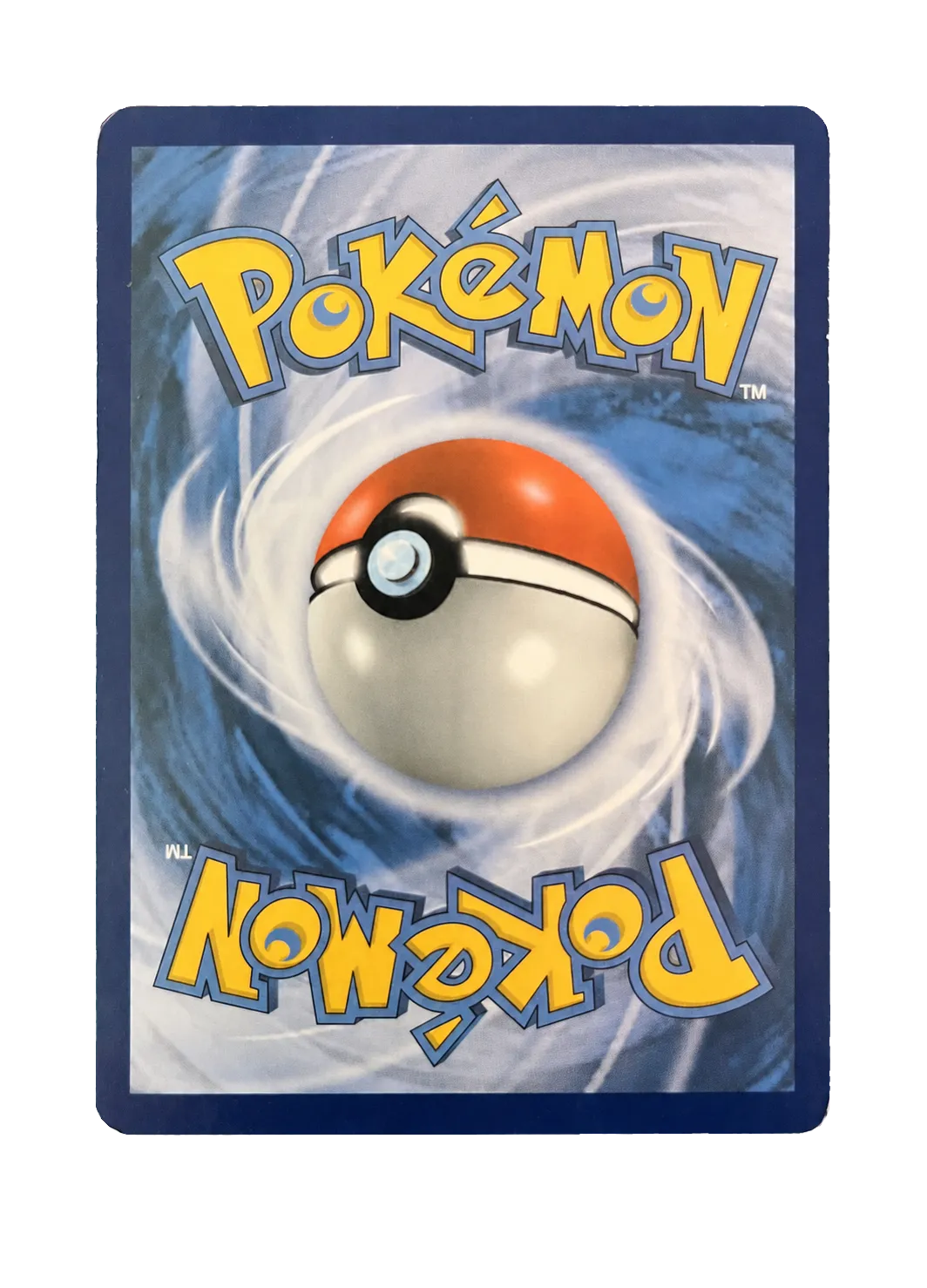
Inspect the cardNear Mint
At a quick glance, the card looks nearly unplayed. Corners stay sharp, edges look clean, and the surface has no obvious dent, crease, or heavy scratch.
- Compare border width on the front and back.
- Check dark back edges for tiny pale flecks.
- Tilt the surface to reveal print lines or factory nicks.
Near Mint is not PSA 10. It is a broad raw-card condition, not a promised professional grade.
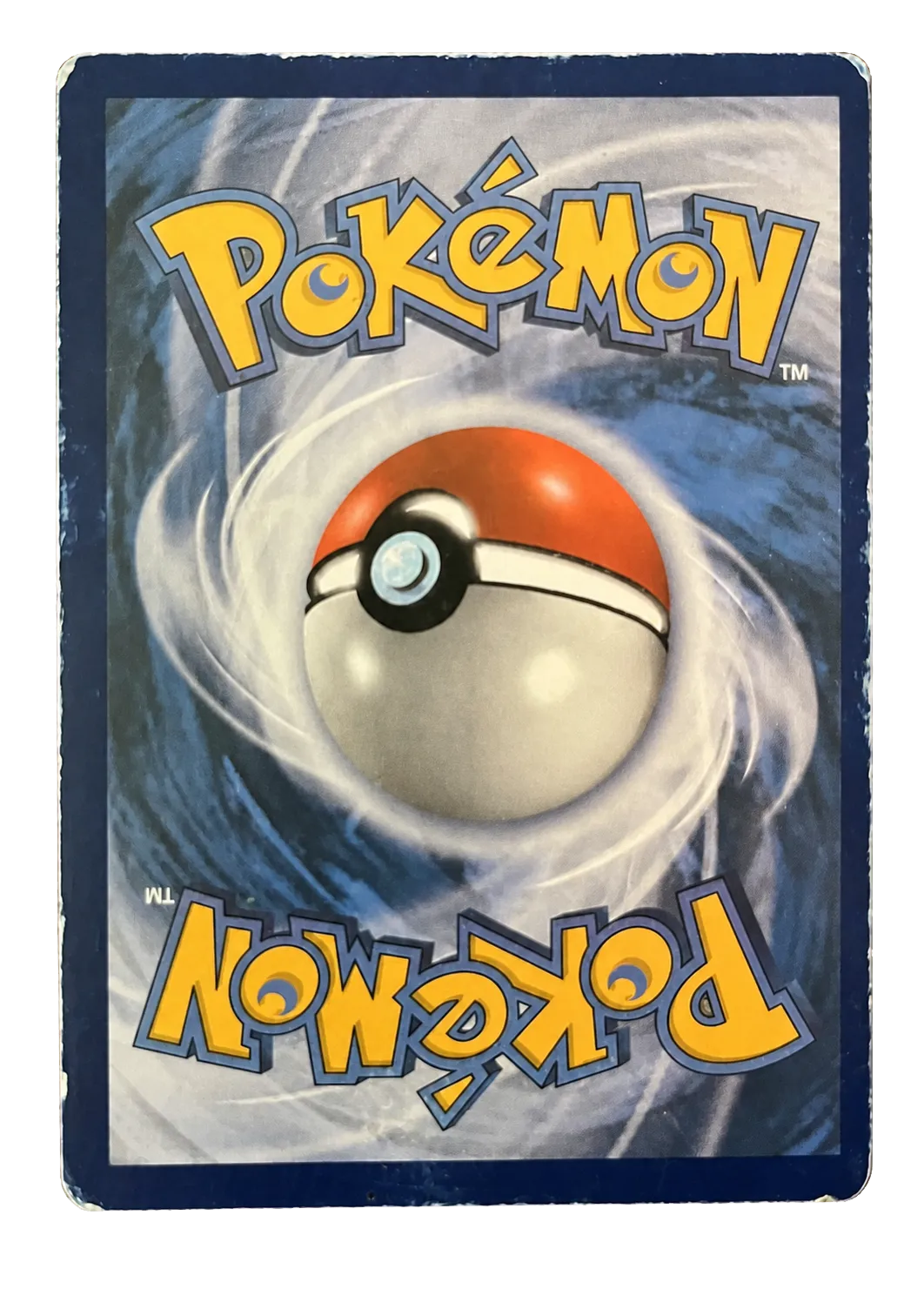
Lightly Played
A few small points of whitening, light corner wear, or a faint surface scratch become visible. The card still presents well, but it is no longer clean under close inspection.
- Look across the surface instead of straight at it.
- Separate one tiny nick from wear along a full edge.
- Photograph both sides before assigning a value.
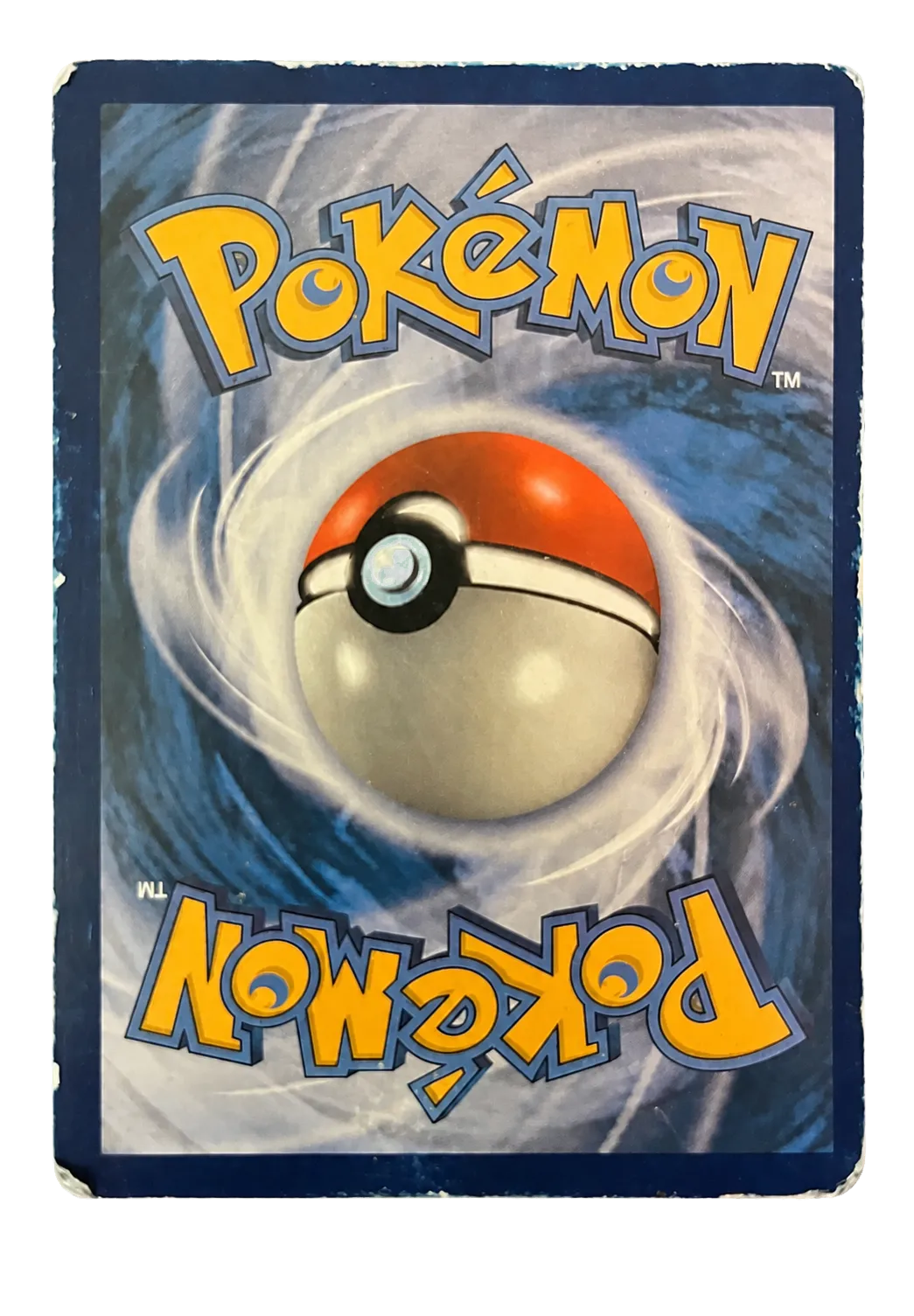
Moderately Played
Whitening appears in several places, corners begin to soften, and scratches or scuffs are visible in normal light. Small impressions may appear when light crosses the surface.
- Check whether wear is isolated or continuous.
- Use a low light angle to expose dents.
- Price it against comparable MP copies, not Near Mint sales.
Heavily Played
Broad whitening, rounded corners, deeper scratches, and dents are obvious. A crease may be present even when the card remains complete and playable.
- Run light across the card to expose bends and impressions.
- Check whether a crease breaks the printed surface.
- Expect visible structural wear to materially affect the result.
Damaged
Major creases, tears, peeling, water exposure, or ink marks go beyond normal play wear. A rare card can still have value, but every structural issue must be shown clearly.
- Check for moisture rippling and separated layers.
- Never flatten, trim, or clean a card before grading.
- Confirm the buyer or marketplace accepts the condition.
Condition is evidence. The decision is math.
Grading services such as PSA, BGS, CGC, and TAG authenticate a card, assign a condition grade, and seal it in a labeled holder. That can add buyer confidence and protection. It does not guarantee profit.
Inspect four checkpoints
-
Centering
Are the borders even on both faces?
-
Corners
Are the points sharp, with no whitening?
-
Edges
Is there chipping or wear along the sides?
-
Surface
Does angled light reveal scratches, print lines, or dents?
Count every cost
Base service tiers often begin around $15–25 per card, then shipping, insurance, faster service, and value-based fees can raise the total. Check current grader pricing before submitting.
Do not use the PSA 10 headline as the expected result. The raw versus PSA value guide shows how to weight realistic grade outcomes and calculate net value.
Cards that usually deserve a closer look
A card that would likely receive a middling grade often is not worth the fee unless it is scarce, valuable, or important to you. Reverse holos are especially difficult because their large foil surface makes scratches easy to see.
- Vintage holosBase Set, Jungle, Fossil, especially clean 1st Edition and shadowless cards.
- Modern chase cardsSpecial illustration rares and alternate arts pulled cleanly from packs.
- High-demand PokémonCharizard, Pikachu, Umbreon, and other collector favorites with active graded markets.
Start with the raw card.
Scan the exact printing with MonZap and check its current marketplace reference. That tells you whether grading costs are a rounding error—or the whole value of the card.
Check a card in MonZap
Before you submit
- Identify the exact set, number, language, and variant.
- Check the raw value and recent comparable sales.
- Inspect both faces outside the sleeve under bright, angled light.
- Compare realistic graded outcomes—not only a top grade.
- Subtract grading, shipping, insurance, and selling costs.
- Submit only when the expected result or personal goal justifies the risk.
Primary references
Always use the current rules of the grader or marketplace you plan to use.
Grading questions collectors ask
How much does it cost to grade a Pokémon card?
Base service tiers at major grading companies often begin around $15–25 per card. Higher declared values, faster service, shipping, and insurance can raise the total. Check current pricing before submitting.
What condition should a card be in to grade?
Most modern cards need a realistic chance at a high grade for grading to add financial value. Vintage or rare cards may still be worth grading in lower condition for authentication, protection, or demand.
Is a Near Mint raw card the same as PSA 10?
No. Near Mint is a broad marketplace condition. PSA 10 is a specific professional grade, and many Near Mint cards receive lower numerical grades.
Can a damaged Pokémon card still be valuable?
Yes, especially when the card is scarce or highly collected. Compare it only with sales in similar condition and disclose every structural issue.